SEMINARIOS Y CURSOS ONLINE
Disponible para tanto para publico general como para miembros de nuestra comunidad
Revisa el catálogo de seminarios y cursos que tenemos disponibles
Why a Natural Hygiene Diet?
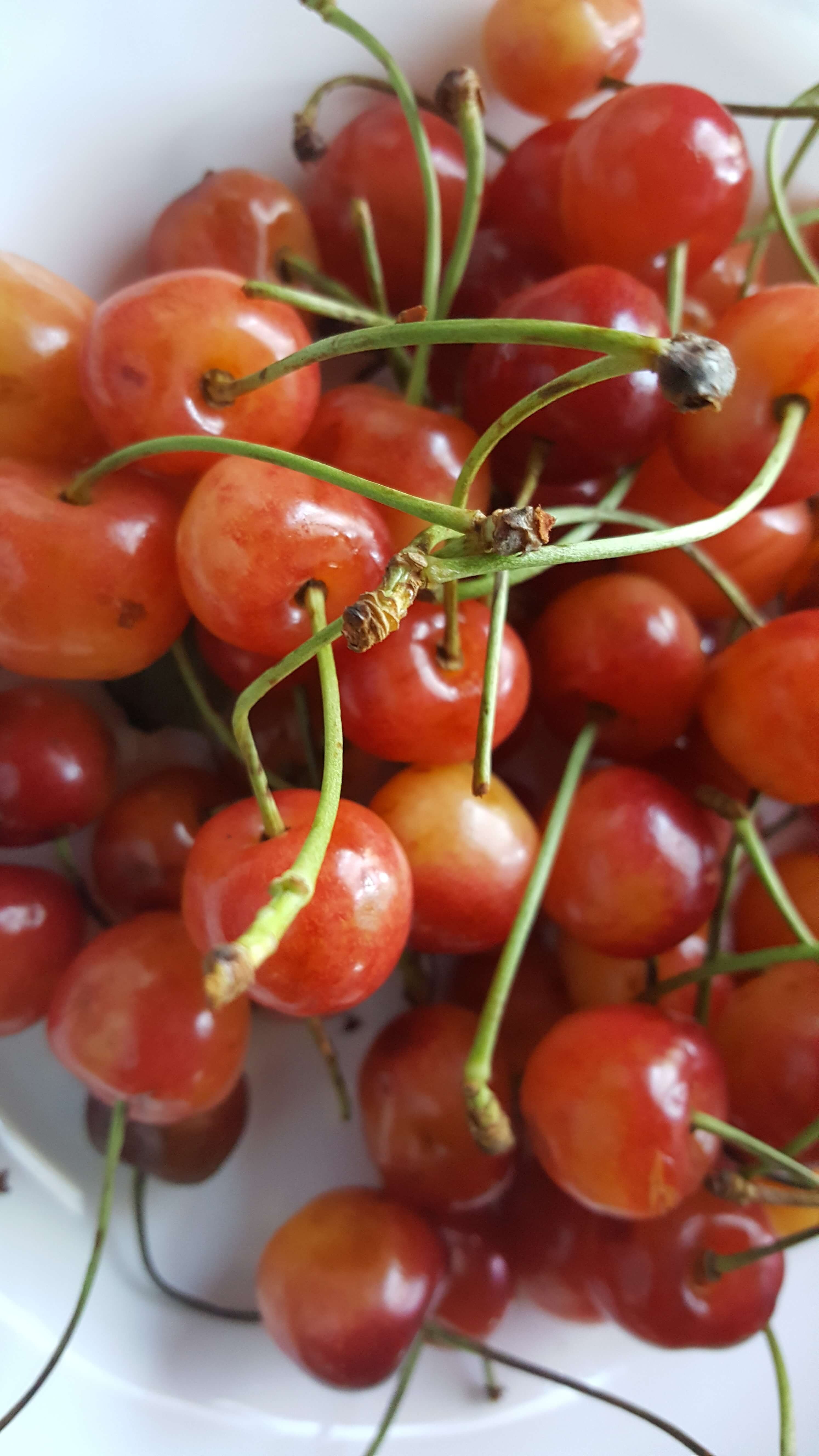
Hygienists choose to consume foods rather than edibles. The former includes everything that nature provides for us: fruits, vegetables, whole grains, among others.
On the other hand, processed foods are all those that are manufactured by the industry: highly processed foods such as flours, rice, sugar, canned goods, and processed meats.
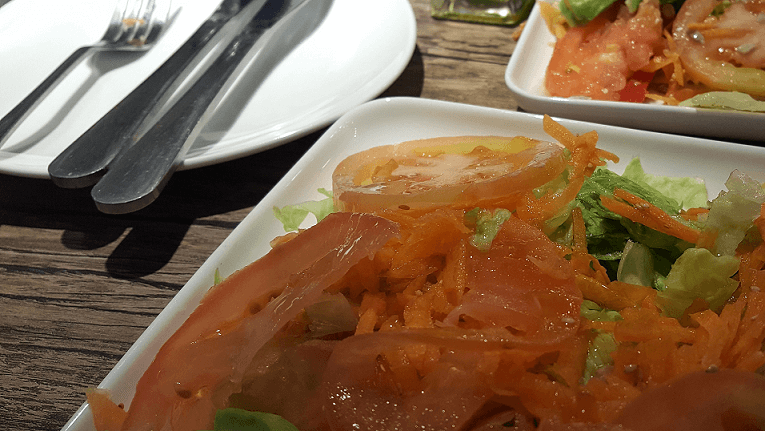
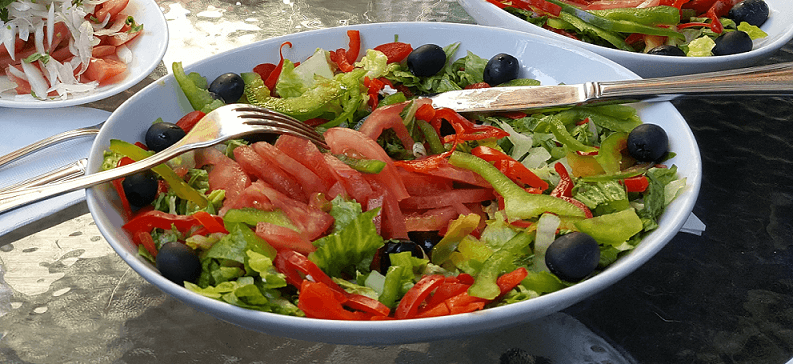
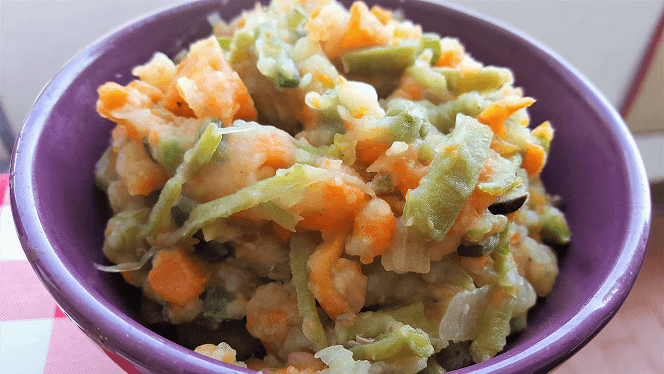
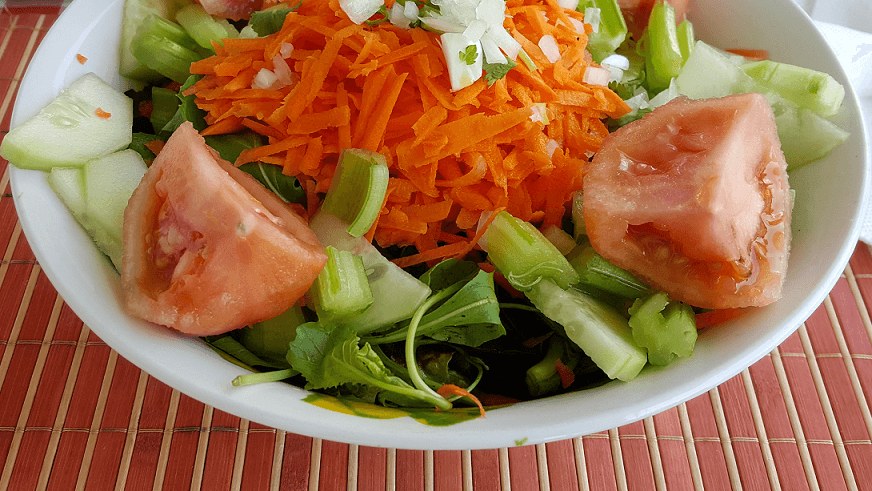
The foundation of hygienist nutrition consists of fresh seasonal fruits, raw and cooked vegetables, nuts, dried fruits, whole grains, and fermented foods, among many others. All well-balanced to minimize physiological strain
The standard diet of the modern citizen is high in ultraprocessed foods and low in fiber, vitamins, antioxidants, water, and nutrients.
As a result of all this, the body experiences wear and tear, which manifests as fatigue, heaviness after each meal, sluggishness, lack of energy, low mood, and poor quality of thought.

How are diseases generated?
The first step is organic stress, then tension, and finally toxemia and illness.
For hygienist therapy, the key lies in changing our diet, but not from the perspective of a conventional diet. Instead, it’s about a profound transformation that permanently incorporates lifestyle habits that enhance our health
For hygienism, health is built day by day. It is the sum of what we do well minus what we do wrong in the long term
The hygienist diet aims for a profound transformation, creating a virtuous cycle where our habits drive better eating choices, and our nourishment motivates us to seek healthier lifestyles
We are what we eat, and we eat as we are

